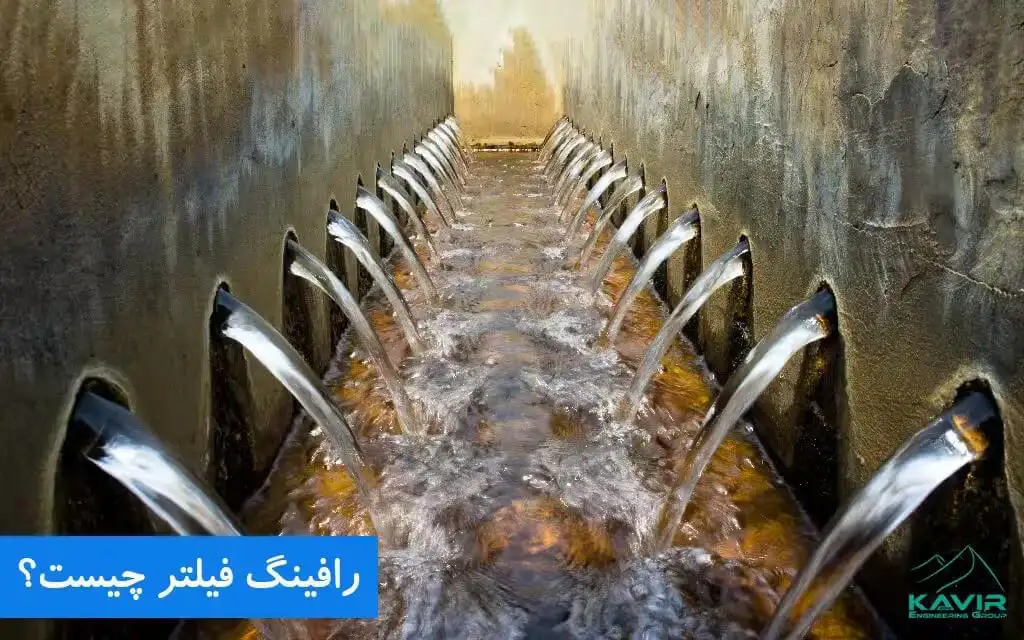

What Is a Roughing Filter?
1- Definition and Application of Roughing Filters
Just as muddy water can quickly clog a coffee filter, highly turbid raw water can overwhelm even advanced water treatment systems. This is where roughing filters play an essential role. A roughing filter, sometimes referred to as a coarse filter, serves as a preliminary stage in water treatment. It is designed specifically to remove suspended particles before further purification processes take place.
This ensures all subsequent purification steps run much more smoothly and effectively. You will commonly find roughing filters in:
- Municipal water treatment facilities
- Rural water supply systems
- Various industrial wastewater treatment applications
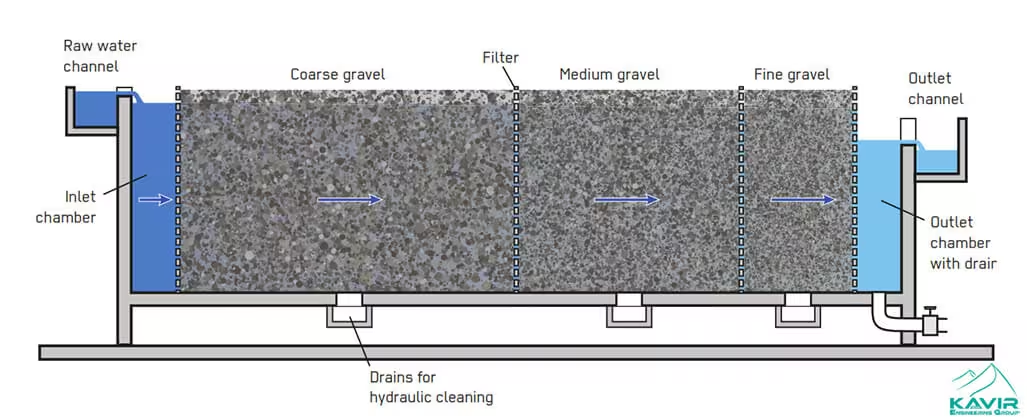
2- History and Development of Roughing Filters:
The idea behind roughing filtration isn’t new; water treatment professionals have long recognized it as a smart and budget-friendly way to remove suspended solids from water. The development of these filters emerged from a global need to provide effective water treatment that remained both affordable and accessible, especially in low-income and remote areas where high-tech solutions were out of reach.
By cleverly using simple, readily available granular media such as sand and gravel, these filters proved incredibly effective at reducing cloudiness (turbidity) and suspended particles. This early innovation was instrumental in improving basic sanitation and widening access to safer water sources worldwide.
2-1- The Significance of Roughing Filters in Water Treatment:
In your broader water treatment strategies, especially in areas where clean and safe water sources are scarce, roughing filters are incredibly important. As the initial stage, they significantly cut down the raw water’s pollution load.
They focus on removing suspended solids before the water reaches more complex processes, such as fine filtration, coagulation, or sedimentation. This initial cleanup is vital because it:
- Reduces Costs: By lowering the load on downstream processes, you can manage your overall operational expenses more effectively.
- Increases Efficiency: Your subsequent treatment stages perform much better when they start with water that is already mostly clear.
- Extends Equipment Lifespan: Roughing filters act as a protective layer, safeguarding your expensive finer filters and membranes from premature clogging and damage. This preserves their operational life and lessens the need for frequent maintenance.
Notes from the Field: In our experience, if your facility’s primary filtration system requires excessive backwashing or premature membrane replacement, inadequate pre-treatment is likely the culprit. Implementing a properly designed roughing filter can optimize your system longevity and reduce your downstream maintenance expenditures by up to 50%.
3- Principles of Solid Material Separation from Water
Roughing filters are essential for your first step in water purification. They use a few key principles to get water ready for the next treatment steps: sedimentation, particle collision and adhesion, and mechanical filtration. Together, these mechanisms remove suspended particles and improve overall water quality.
3-1- Core Separation Mechanisms in Roughing Filters
The process relies on a combination of methods to effectively separate solids from water:
- Sedimentation: Heavier particles within the water gradually settle to the bottom of the filter tank. This mainly occurs with coarser and denser particles that have a higher settling velocity due to their greater mass.
- Collision and Adhesion: Smaller particles can collide with other particles or the filter media as they flow through. These particles can then adhere to each other or to the media. This process is particularly effective for removing colloids and micro-sized particles, significantly increasing overall purification efficiency.
- Mechanical Filtration: The filter bed consists of layered granular media such as sand and gravel that act as a physical barrier, trapping suspended particles as water flows through the system. The size of the media grains and the spaces between them determine the size of particles that can be effectively removed.
3-2- Impact of Water’s Physical and Chemical Conditions on Filter Efficiency
Several physical and chemical properties of the water can impact how well a roughing filter works:
- Temperature: Water temperature can influence the rate of chemical and biological reactions within the water. Generally, higher temperatures can increase particle settling velocity and may also influence particle adhesion to the filter media.
- pH: The pH of the water affects the electrical charge of suspended particles. This, in turn, influences their ability to aggregate or adhere to the filter bed. Water with extreme pH values (very high or very low) might require pH adjustment before filtration to maximize efficiency.
- Chemical and Biological Constituents: The presence of dissolved chemicals or microorganisms in the water can impact the treatment process. For instance, dissolved organic matter might necessitate advanced treatment stages, while the presence of microorganisms indicates a need for water disinfection.
Understanding these separation methods and the conditions that affect them is crucial for the effective design and operation of roughing filters. This knowledge ensures that the treated water meets the required standards for human consumption or intended use.
The Engineer’s Perspective: We always advise operators to pay close attention to the “temperature” variable during seasonal changes. Cold water is slightly more viscous (thicker), which slows down the settling velocity of suspended particles. Plant operators often need to optimize flow rates or backwash schedules during colder winter months to maintain peak purification efficiency.
4- Roughing Filter Design and Structure
Roughing filters are built in several configurations, each designed to address specific water treatment challenges. These systems may operate in horizontal, vertical, or combined flow arrangements and typically use different granular materials as filtration media.
4-1- Types of Roughing Filters: A Multi-Stage Process
Roughing filters typically work in stages, like a series of filters getting progressively finer:
- Coarse Filters: These are the first in line, designed to catch the largest particles. They often use materials like big gravel or coarse sand. They do a great job of removing a significant number of suspended solids right away.
- Medium Filters: Acting as the second step, these focus on capturing medium-sized particles. They use medium-grade sands that are effective at catching smaller impurities that might have slipped through the first coarse filter.
- Fine Filters: The final stage handles very fine particles and colloids. These usually contain finer sands or special filter materials, designed to trap particles as small as a few microns.
4-2- Flow Direction: Impact on Filter Performance
The way water travels through the filter bed significantly affects how well it performs:
- Vertical Flow: In vertical flow filters, water moves downwards through the filter media. This direction is often very effective because gravity helps pull heavier particles down, where they can accumulate at the bottom. These systems often require less space and are suitable for installations with limited room.
- Horizontal Flow: Horizontal flow filters have a filter bed where water moves sideways, from one end to the other. This design is well-suited for larger filters or when dealing with a high volume of particles that need removal. Horizontal flow can help distribute particles more evenly across the filter bed, reducing the chance of premature clogging.
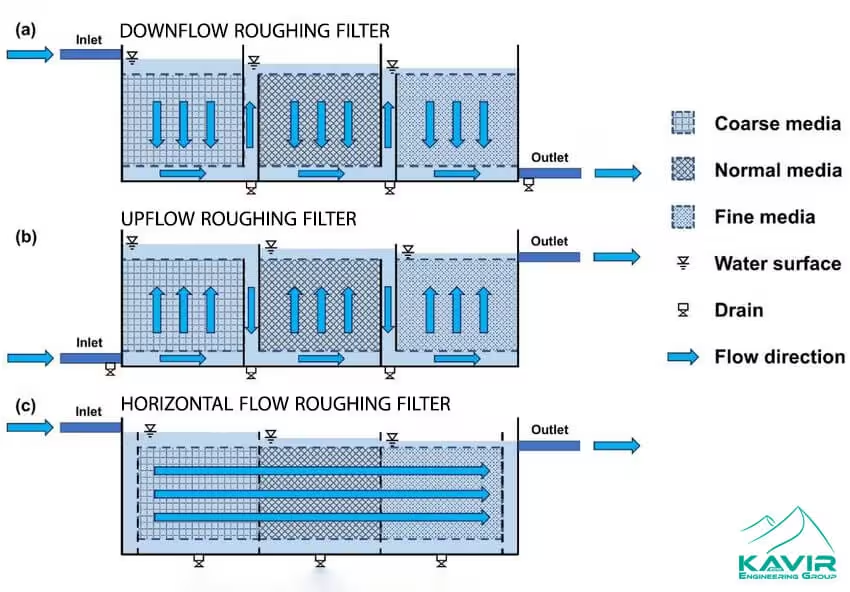
Both vertical and horizontal flow designs have their advantages, depending on the specific application and the types of particles being targeted. The choice of flow direction and overall filter design should always be based on the particular water treatment goals and any space constraints.
5- The Critical Role of Flow Dynamics in Water Filtration Success
Water flow is more than simple movement; it plays a critical role in the effectiveness of water purification. Flow conditions directly influence how efficiently solid contaminants are separated. By carefully controlling these dynamics, treatment systems can significantly improve the quality of the treated water.
5-1- Surface Flow Dynamics and Their Impact on Solid Separation
Surface water flows, like in rivers and natural waterways, often carry a high load of suspended solids caused by soil erosion and other natural activities. The speed of the water dictates whether these solids settle out or remain dispersed:
- High-Velocity Flows: Rapid water movement can prevent suspended solids from settling, keeping them dispersed within the water.
- Low-Velocity Flows: Slower currents provide more opportunity for heavier particles to settle out. This helps reduce the overall solid load entering the purification system.
5-2- Diverse Solids, Targeted Separation Strategies
The solid materials present in water vary greatly in size, shape, and density – from microscopic colloidal particles to larger mineral and organic matter. Each group presents unique water purification challenges:
- Colloidal Particles: Because of their extremely small size and have a strong surface electrical charge, they repel each other, remain suspended, and are difficult to remove. Special treatments like coagulation or using very fine filters are usually needed.
- Coarse Particles: These larger solids are generally easier to remove. Coarser filters or natural sedimentation generally work well. However, even these can stay suspended if the water flows too quickly.
To handle this diverse range of solids, it’s important to understand both the water’s chemistry and the physical properties of each contaminant. Adjusting flow conditions and choosing the right filtration technologies are key to addressing these challenges and getting high-purity water.
6- How to Enhance Your Sedimentation and Filtration Processes
Sedimentation and filtration are two fundamental processes in water treatment systems. Both play an important role in separating and removing suspended solids. When these processes are properly optimized, the overall efficiency, stability, and reliability of treatment systems improve significantly.
6-1- Employing Filtration as Pre-treatment
Pre‑treatment filtration can greatly reduce the load entering the main treatment stages. Roughing filters, placed at the beginning of the process, remove coarse and medium‑sized particles. This allows the downstream sedimentation and fine filtration steps to work more efficiently and last longer.
This is especially important in industrial and urban areas where wastewater often has a lot of mixed solids. By catching a large portion of these materials early on, pre-treatment filters protect other equipment and decrease the need for frequent cleaning and maintenance.
6-2- Sedimentation Dynamics and Their Impact on Filtration
Sedimentation dynamics explain how particles settle in aquatic environments. Factors such as particle density, size, shape, and the hydrodynamic conditions of water flow determine these dynamics. Understanding these factors is key to improving sedimentation and filtration performance.
- Dense particles settle quickly.
- In contrast, particles with irregular shapes or larger surface areas settle more slowly because they face more resistance in the water.
By adjusting sedimentation processes to match these conditions, more solids can be caught before the water reaches the final filtration stage. This leads to cleaner water and a more efficient system.
In short, making sedimentation and filtration processes work better requires looking at the whole picture and carefully managing the specific conditions of the water being treated. The right approach leads to more efficient systems, better protection of water resources, and lower treatment costs.
7- Roughing Filters Applications and Advantages
Roughing filters are valued for their simplicity, durability, and reliable performance across a wide range of environments. They are particularly beneficial in rural regions where access to advanced water treatment technologies may be limited. Their straightforward design and low operational cost make them a practical solution for many communities.
7-1- Use in Rural Areas and Key Benefits
Many rural communities struggle with the cost or complexity of advanced treatment systems. Roughing filters offer an effective and affordable solution. They are built from natural materials such as gravel and sand, which can be gathered locally. Daily operation and maintenance are simple, and community members can manage the system with brief training.
Here are the main reasons roughing filters are so beneficial in rural settings:
- Low costs: Lower installation and maintenance costs than many advanced systems.
- Easy maintenance: Local operators can inspect, repair, and maintain the filters with minimal training.
- High resilience: Roughing filters can handle large variations in raw water quality and maintain stable performance under different environmental conditions.
7-2- Comparison with Other Treatment Technologies
Roughing filters can also compare well with more advanced methods. For example, reverse osmosis, membrane filtration, and coagulation–sedimentation usually require more equipment and more operating complexity. Main advantages of roughing filters:
Technological simplicity: Unlike reverse osmosis or membrane systems, roughing filters require no specialized equipment or high energy consumption.
Material accessibility: They rely on natural materials that don’t need to be imported or manufactured with high precision.
Lower environmental impact: The process uses low energy and natural media, so the overall footprint is smaller than that of many high-tech options.
Roughing filters offer a budget-friendly, low-tech way to treat water. They provide a good balance between being affordable and performing reliably. In rural and lower-income regions, they can be instrumental in supplying clean and consistent water, even when conditions change.
8- Management and Maintenance of Roughing Filters
Effective management and regular maintenance are essential for preserving the performance and extending the service life of roughing filters. Understanding optimal operating conditions and addressing long‑term maintenance challenges helps ensure consistent and reliable system operation.
8-1- Operating Conditions and Filter Cleaning
Operating conditions:
For consistent performance, it’s important to control the water flow accurately and check the filter regularly. Routine inspections help spot early signs of clogging, uneven water flow, or any mechanical problems. Keeping the water’s pH and other quality indicators within the recommended levels also protects the filter materials and prevents a drop in cleaning ability.
Filter cleaning:
Cleaning is crucial to prevent clogging and maintain good water flow. This process usually involves lifting the gravel and sand layers, washing them to remove trapped solids, or sometimes replacing the materials if they’ve lost their effectiveness. How often you need to clean depends on how dirty the water is and the type of particles it contains.
8-2- Challenges of Long‑Term Use
Using roughing filters for a long period can bring up a few issues:
- Media degradation: Filter media may gradually break down over time, and require scheduled replacement.
- Chronic clogging: Without regular cleaning, solids settle into lower layers and cause persistent flow restrictions and lead to significant performance loss.
- Changes in raw water quality: Variations in incoming water may require adjustments to operating conditions or modifications to the filter media to maintain effective treatment.
To deal with these challenges, it’s important to have a clear maintenance plan, perform regular inspections, and have trained operators who can make adjustments and fix issues promptly.
9- Case Studies and Experimental Evaluations
Case studies and experimental reviews provide the foundation for improving roughing filter design and operation. Comparing performance in different environments reveals how physical and chemical conditions influence filtration efficiency and reliability.
9-1- Roughing Filters in Different Environments
Case studies from rural areas, polluted urban settings, and industrial zones show that roughing filters perform well under diverse challenges.
In one rural project, filters made with locally available stone‑based sand and gravel achieved substantial reductions in turbidity and microbial content, proving that low‑cost materials can deliver high‑quality results.
Tests conducted in urban and industrial environments confirm similar levels of resilience when proper cleaning and flow management practices are maintained.
Together, these findings underline that roughing filters can perform effectively under diverse environmental challenges.
9-2- Performance Evaluation and Process Optimization
Evaluating roughing filter performance requires detailed monitoring of water quality and operational parameters, including:
- How many suspended particles are removed.
- How much the water’s turbidity is reduced.
- How many microorganisms are eliminated.
Based on these findings, optimization steps may include redesigning the internal layout, selecting alternative filter media, or refining operational settings such as flow rate and pH adjustment.
Research consistently shows that regular cleaning and scheduled replacement of filter media are vital for long-term, stable operation. In one study, planned cleaning and media replacement extended the filter’s lifespan and helped maintain consistent efficiency.
Ultimately, these kinds of evaluations allow for continuous system upgrades and contribute to the development of even better filtration technologies for the future.
10- The Future of Roughing Filters
Roughing filters continue to stand out for their simple design and reliable performance. Their future will be shaped by ongoing innovation and the growing impact of environmental challenges.
10-1- Potential Innovations and Advancements in Filtration
As filtration technology develops, roughing filters are expected to gain new capabilities.
Key innovations include:
- Smart filters:systems with sensors and automated controls that adjust flow and pressure based on real‑time water quality.
- New filtration materials:such as nanomaterials and advanced composites that improve efficiency and increase media lifespan.
- Modular systems:units that can be expanded or reconfigured to match community growth or industrial requirements.
These advancements can make roughing filters more adaptable, more efficient, and easier to maintain.
10-2- Environmental Impacts on Roughing Filters
Environmental changes—such as shifting rainfall patterns and increasing water pollution—directly affect the performance and application of roughing filters. Roughing filters must adapt to:
- More variable water quality: requiring systems with flexible operating ranges.
- Higher microbial and chemical loads: demanding enhanced protection to support public health.
- Greater pressure on water resources: making efficient filtration essential for reuse, recycling, and decentralized treatment.
Addressing these issues requires extensive research and new technological solutions. Continued innovation will help roughing filters remain effective tools as environmental conditions become more complex.
11- The Bottom Line
Roughing filters are far more than a basic step in water treatment. They represent an efficient and affordable solution suitable for diverse environments—from rural communities to large urban and industrial facilities. By using simple technology and widely available materials, these filters help improve access to clean water, protect downstream treatment equipment, and support public health.
Key Highlights :
- Efficiency and simplicity:Roughing filters use basic materials such as sand and gravel to achieve robust removal of suspended solids.
- Innovation and research:Ongoing advancements in materials and design are boosting efficiency and lowering treatment costs.
- Environmental impact:These filters help communities adapt to changing environmental conditions and water scarcity challenges.
11-1- Recommendations for Optimal Use
- Regular inspection and maintenance:Consistent and scheduled cleaning and media replacement are crucial to prevent clogging and maintain performance.
- Adaptation to local conditions:Designs and media must suit the specific water source and local requirements.
- Training and awareness:Educating users on proper operation and maintenance ensures lasting effectiveness.
- Continuous monitoring and evaluation:Tracking water quality and system output helps guide optimization and repairs.
Roughing filters are powerful tools for tackling water shortages and ensuring safe water access. They also support sustainable development and public health. Given increasing environmental and population pressures, prioritizing their improvement and implementation in water management policies is essential.
12- FAQ: Common Questions about Roughing Filter
1- What is the lifespan of a rouphing filter?
With proper maintenance, they can operate effectively for 20–30 years or more. Structural components have long lifespans, while media intervals vary.
2- Canroughing filters be automated?
Yes. Modern systems incorporate flow monitoring sensors, automatic sludge flushing, and automated control systems.
3- A reroughing filters environmentally friendly?
Absolutely. They use natural materials, require minimal energy, and generate no chemical waste. Their low environmental footprint makes them desirable for decentralized and resource‑limited applications.
4- What are the most common operational problems in roughing filters?
The main challenges include:
- Media degradation:Sand and gravel break down over time, reducing filtration efficiency.
- Hydraulicshort‑circuiting: Water bypasses part of the media due to poor distribution or clogging.
- Persistent clogging:Fine solids accumulate deep within the filter bed if cleaning is delayed.
- Flow imbalance:Incorrect flow rates can cause rapid clogging or poor removal efficiency.
Most operational issues can be avoided with proper layout design, flow regulation, and routine maintenance.
5- How often should roughing filters be cleaned?
Typical cleaning intervals range from a week to several months, depending heavily on the incoming water’s turbidity and hydraulic loading.
6- Do roughing filters remove microorganisms?
Only partially. Roughing filters can reduce microbial load through sedimentation, mechanical trapping, and particle adhesion, but they do not replace disinfection. They are pre‑treatment units, not final barriers against pathogens. For safe drinking‑water production, roughing filtration must be followed by:
- Chlorination
- UV disinfection
- Ozonation, or
- Membrane microfiltration
The level of required post‑treatment depends on raw‑water quality and regulatory standards.
7- A reroughing filters suitable for highly turbid water?
Yes—roughing filters excel in treating water with very high turbidity, often exceeding 500 NTU. Their multi‑layer granular structure is designed to handle large quantities of suspended solids without rapid clogging. However, extreme turbidity may require staged roughing filters or optimized flow rates to maintain stable operation.
13- Professional Engineering Consultation
Kavir Engineering Group with extensive experience in designing and manufacturing roughing filters, provides high-quality solutions tailored to the needs of different regions and industries. Our team blends advanced technical knowledge with deep practical experience to ensure every project meets the highest standards of quality, longevity, and performance.
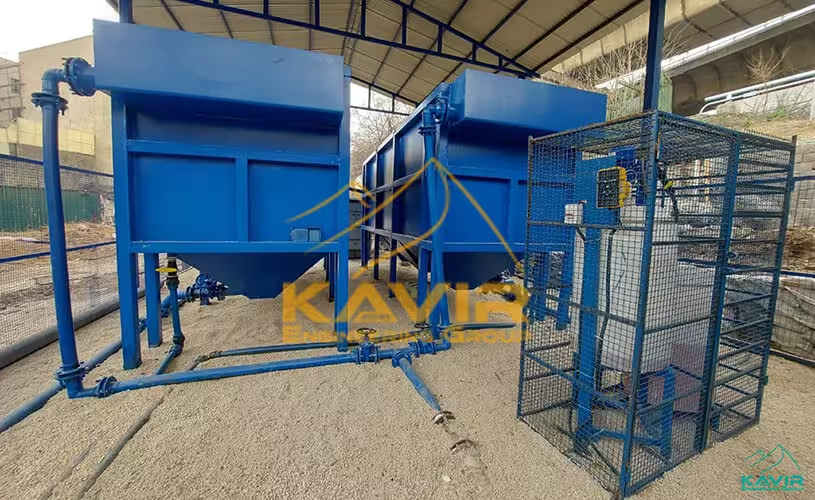
Contact us today to optimize your water treatment pre-treatment stages.